
- Autonomy Movements: Bodo Homeland & Gorkhaland
- Impact of Globalization on Regional Movements: Telangana
- Nature of Identity Politics in India
- Meaning & Nature of Communalism
(Simple language, headings, points—ideal for 10–20 marks)
Introduction
India’s diversity of language, ethnicity, region, and religion has produced various regional and identity-based movements. Autonomy demands, globalization-driven inequalities, identity politics, and communalism have significantly shaped Indian politics. Understanding these helps explain federal accommodation and democratic challenges.
1. Autonomy Movements in India
A. Bodo Homeland Movement (Assam)


Background:
- Led by the Bodo tribal community seeking protection of culture, land, and political rights.
Demands:
- Separate Bodoland state / greater autonomy.
Government Response:
- Bodoland Autonomous Council (1993)
- Bodoland Territorial Council (2003) under Sixth Schedule
- Bodo Accord (2020) for peace and development
Outcome:
- Partial accommodation through autonomy
- Improved political participation; challenges remain
B. Gorkhaland Movement (West Bengal)


Background:
- Gorkhas in Darjeeling hills demanded recognition of distinct identity.
Demands:
- Separate Gorkhaland state.
Government Response:
- Darjeeling Gorkha Hill Council (1988)
- Gorkhaland Territorial Administration (2011)
Outcome:
- Administrative autonomy without statehood
- Periodic protests continue
2. Impact of Globalization on Regional Movements: Telangana

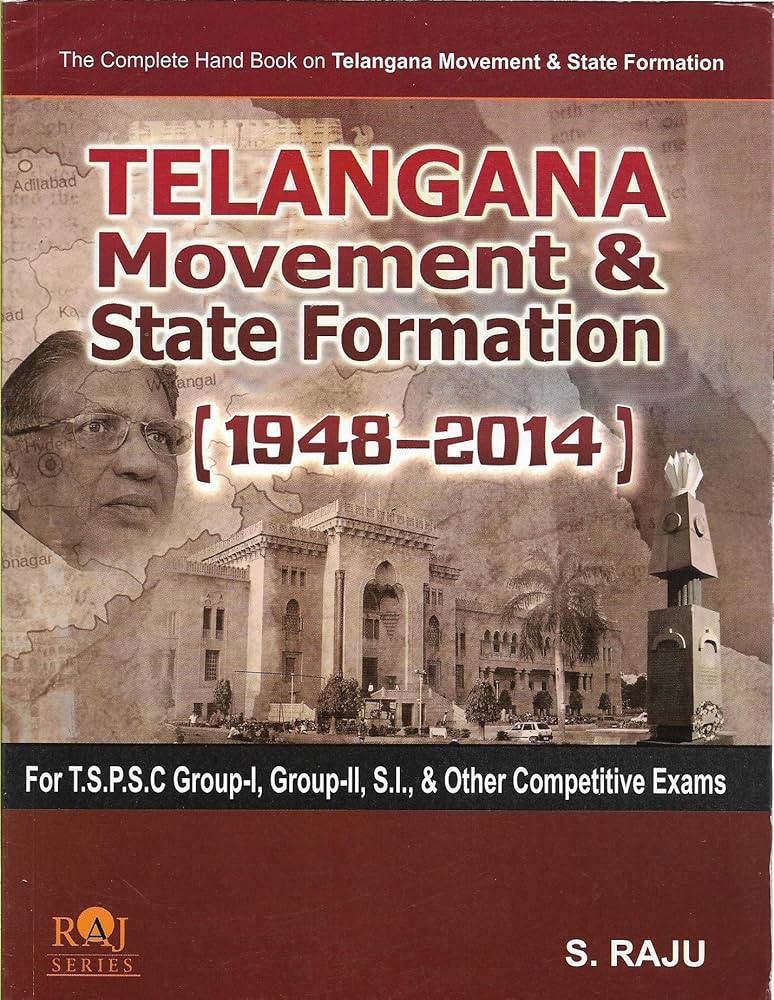

Background:
- Telangana (separated from Andhra Pradesh in 2014)
Role of Globalization:
- Uneven Development: Hyderabad prospered; rural Telangana lagged.
- Resource Control: Water, jobs, and revenues perceived as unequally shared.
- Aspirations & Awareness: Media and mobility raised expectations.
Outcome:
- Statehood (2014) addressed regional inequality and governance demands.
- Shows how globalization can intensify regional aspirations when benefits are uneven.
3. Nature of Identity Politics in India


Meaning:
Politics based on identity markers such as caste, religion, language, region, ethnicity, or gender.
Features:
- Mobilization around shared identity
- Representation and recognition claims
- Strong emotional and symbolic appeal
Positive Aspects:
✅ Inclusion of marginalized groups
✅ Political voice and representation
✅ Social justice initiatives
Negative Aspects:
❌ Polarization and division
❌ Vote-bank politics
❌ Overshadowing development issues
4. Communalism: Meaning and Nature


Meaning:
Communalism is the ideology that religious communities have separate political interests, often leading to conflict.
Nature / Forms:
- Ideological: Belief in religious superiority
- Political: Use of religion for votes
- Social: Communal tensions and riots
Causes:
- Historical grievances
- Political mobilization
- Socio-economic inequalities
- Misinformation
Effects:
❌ Threatens secularism
❌ Social disharmony
❌ Weakens democracy
Conclusion
Autonomy movements like Bodo and Gorkhaland reflect democratic demands for recognition and self-governance. Globalization, as seen in Telangana, can sharpen regional inequalities and aspirations. Identity politics has empowered marginalized voices but risks polarization, while communalism remains a major challenge to India’s secular and plural fabric. A balanced approach—inclusive development, federal accommodation, and constitutional values—is essential.
📌 UG Exam Tips
- Define key terms first
- Use case studies with years
- Write pros & cons
- End with a balanced conclusion
If you want:
✔️ Short notes (2–5 marks)
✔️ MCQs with answers
✔️ PDF notes
✔️ Hindi / Odia version
Just tell me 😊
