Federalism : Meaning, Features, Type’s, Example’s, Advantages & Disadvantages
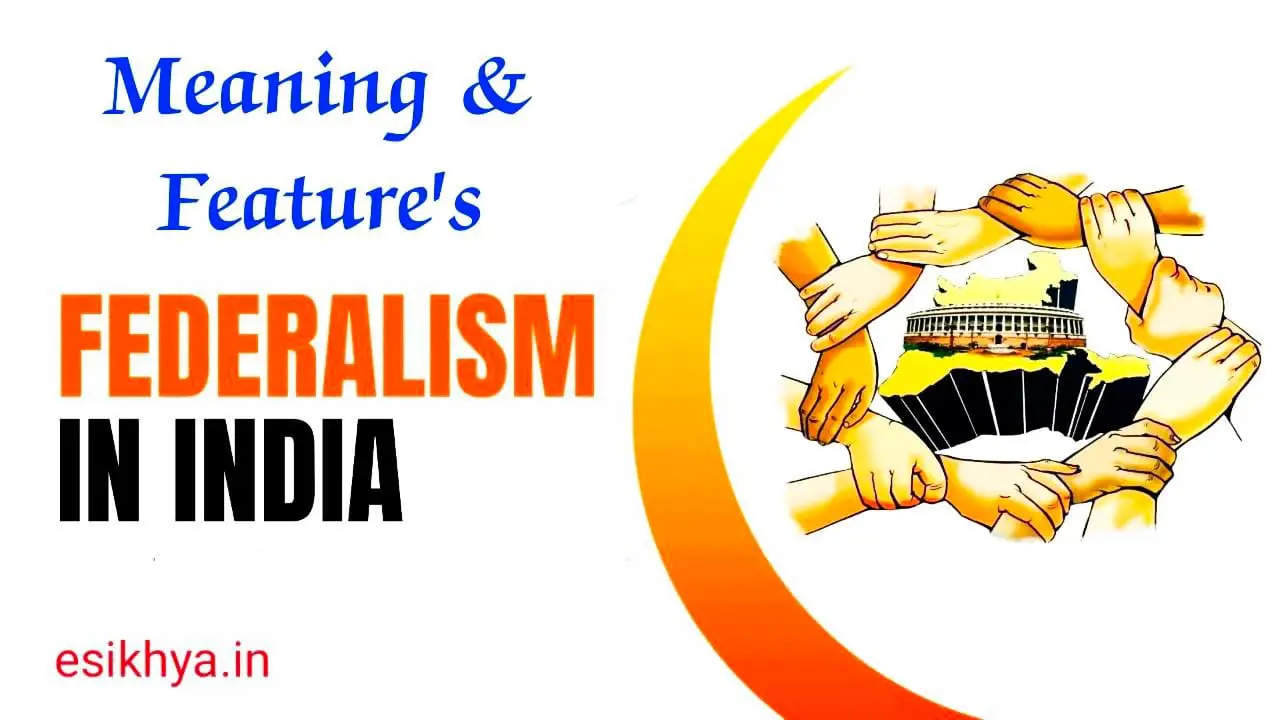
Federalism is a system of government in which powers and responsibilities are divided between a central (national) government and regional (state or provincial) governments. Both levels of government operate independently within their areas of authority, and each has its own set of powers that cannot be overruled by the other. The aim of federalism is … Read more

Recent Trends in Federalism in India

In recent years, federalism in India has witnessed dynamic shifts due to changing political, economic, and judicial landscapes. Federalism in India is characterized by a balance of power between the central government and the state governments, outlined in the Constitution. However, several recent trends have impacted this balance, leading to debates about the nature of … Read more

Discuss The Composition And Functions of The High Court of India

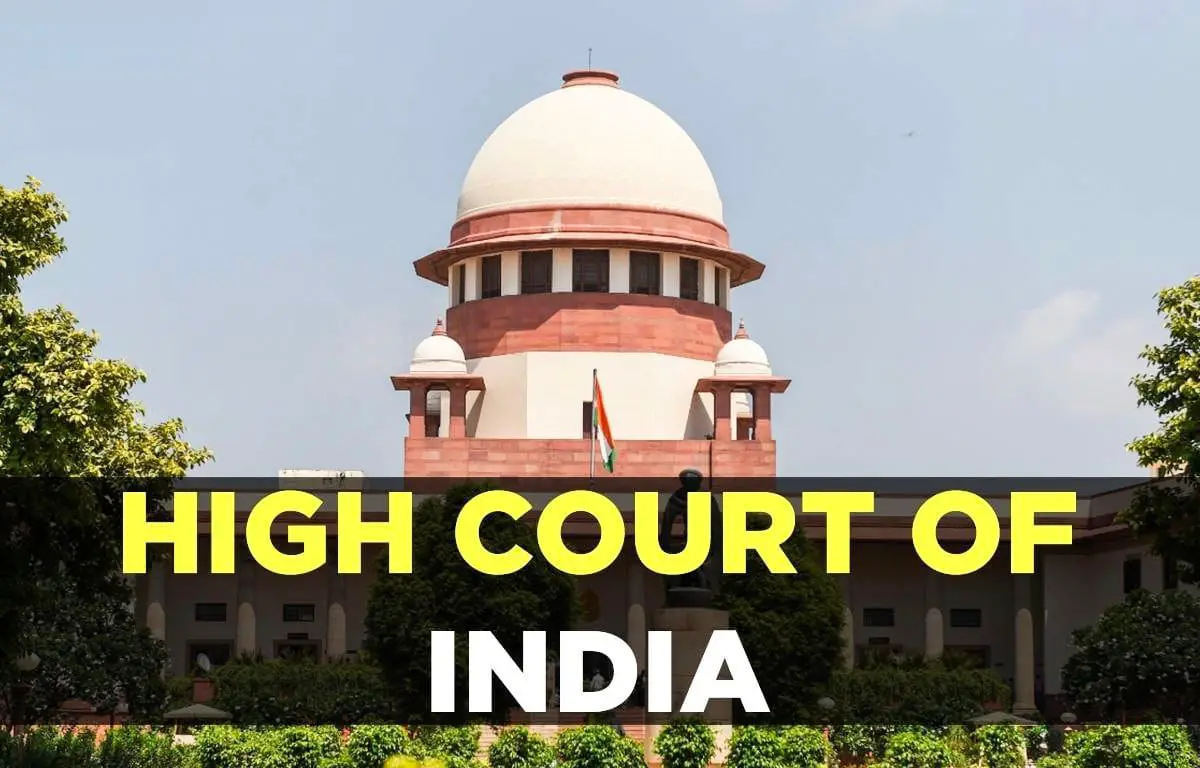
The High Courts in India serve as the highest judicial authority at the state or union territory level, positioned below the Supreme Court of India. Each High Court exercises authority over a state, group of states, or union territories. The High Courts have the power to interpret the Constitution, review laws, protect fundamental rights, and … Read more

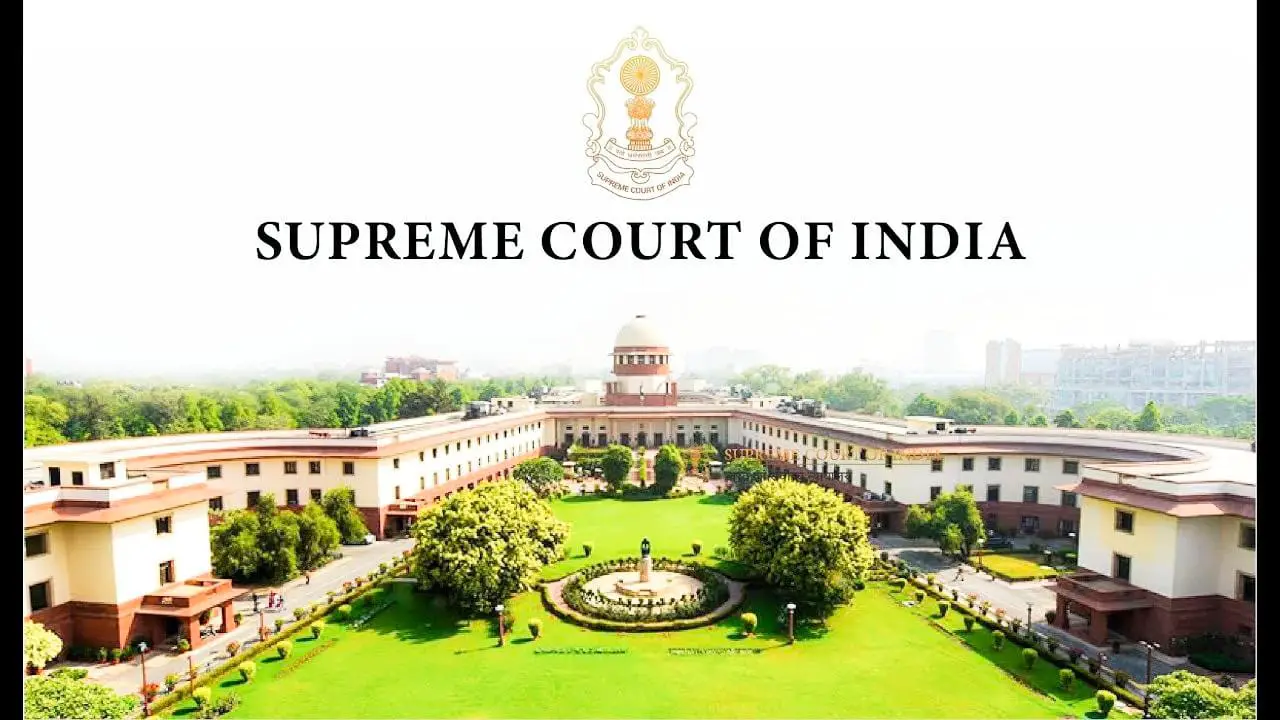
Discuss The Composition And Functions of The Supreme Court of India

The Supreme Court of India is the highest judicial authority in the country and the final court of appeal. It functions as the guardian of the Constitution, protecting the fundamental rights of citizens and ensuring that the government adheres to constitutional principles. Established on January 28, 1950, two days after the Constitution of India came … Read more

Discuss The Introductions, Power and functions of President of India

The President of India is the head of state and the supreme constitutional authority in the country. As the first citizen of India, the President plays a ceremonial but vital role in ensuring that the Constitution is upheld and that the government functions within its framework. Although the position is largely ceremonial, the President possesses … Read more

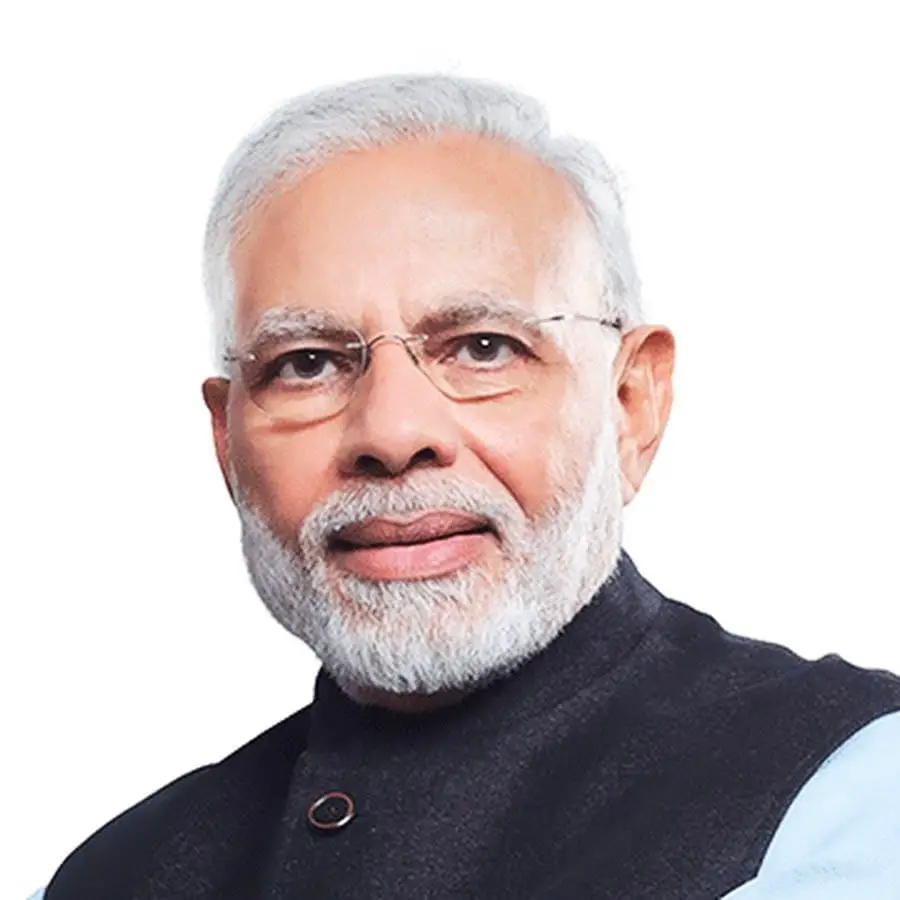
Discuss The Introductions, Power and functions of Prime Minister of India

The Prime Minister of India is the head of the government and the most powerful political figure in the country’s parliamentary system. As the leader of the executive branch, the Prime Minister plays a central role in decision-making, policy formulation, and administration. The office of the Prime Minister, created under the Constitution of India, is … Read more

Discuss The Composition, Power & Functions of Loka Sabha

The Lok Sabha or the House of the People is the lower house of the Parliament of India. As the directly elected body representing the people of India, the Lok Sabha holds significant power in the country’s parliamentary democracy. It plays a key role in shaping laws, controlling the government, and ensuring accountability through its … Read more

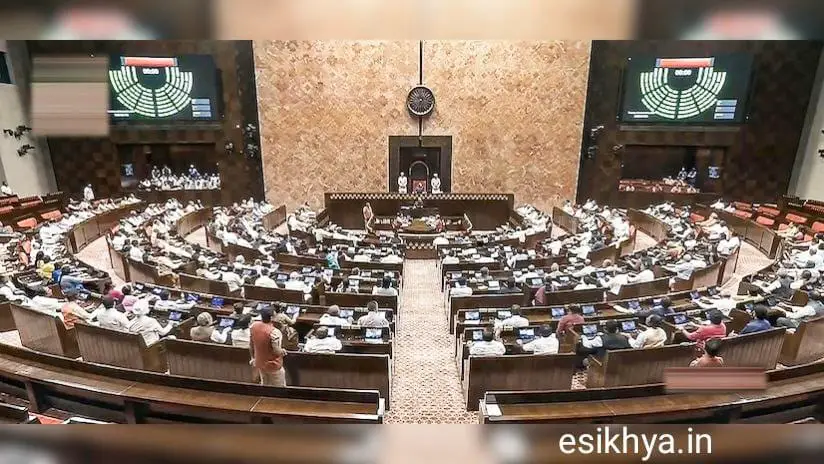
Discuss The Composition, Power & Functions of Rajya Sabha

The Rajya Sabha, or the Council of States, is the upper house of the Parliament of India. It represents the interests of the states and Union Territories of India in the federal structure. The Rajya Sabha, being a permanent house, ensures continuity in the functioning of the Parliament, and its composition and functions reflect its … Read more

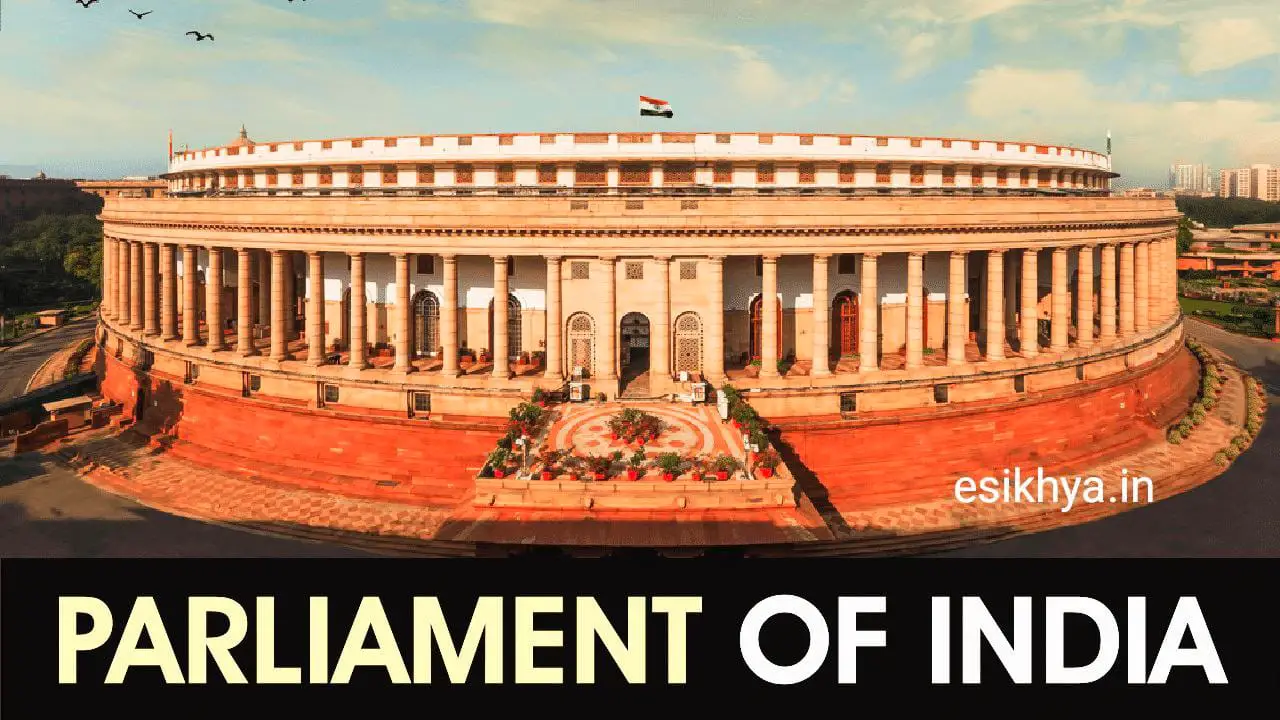
Discuss The Composition, Power And Functions of The Parliament of India

The Parliament of India is the supreme legislative body of the country. It represents the democratic framework of governance, where elected representatives of the people make laws, control finances, and check the actions of the government. The Parliament of India operates under a bicameral system, consisting of two houses: the Rajya Sabha (Council of States) … Read more

Discuss The Directive Principles of State Policy in The Indian Constitution

The Directive Principles of State Policy (DPSP) are guidelines or principles given to the central and state governments of India, which they must bear in mind while framing laws and policies. These principles are enshrined in Part IV (Articles 36-51) of the Indian Constitution and are non-justiciable, meaning they are not enforceable by courts. However, … Read more